
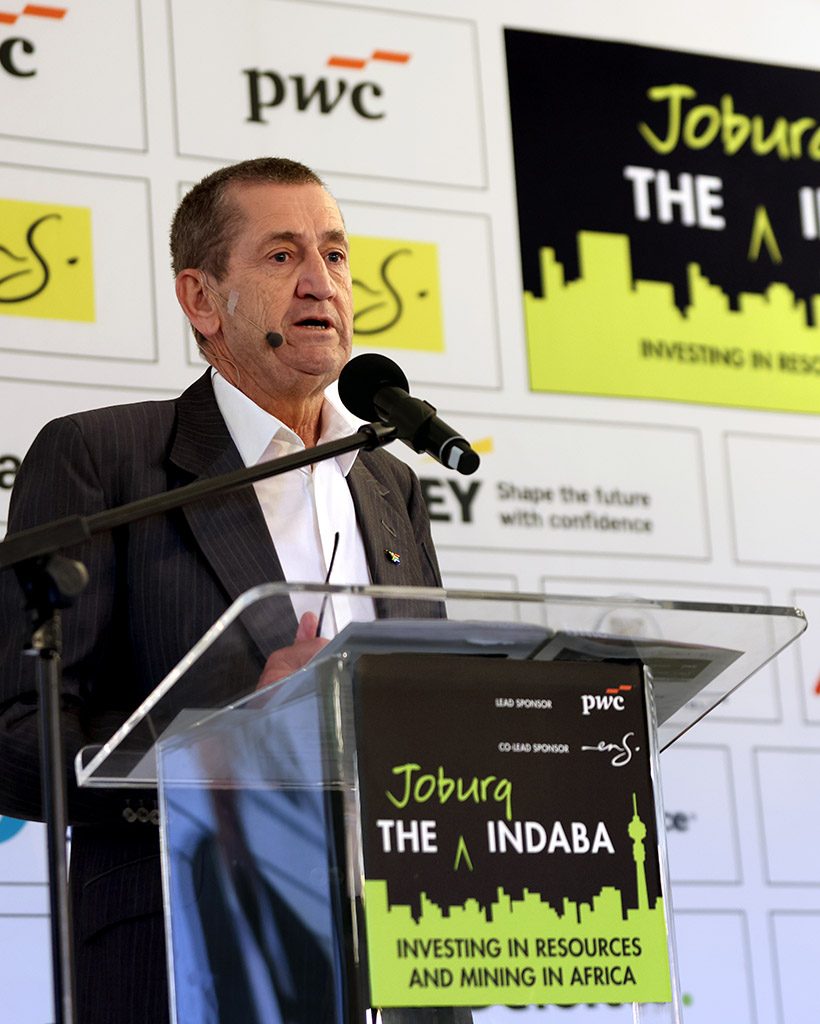
JOHANNESBURG – The South African mining sector is bracing for a period of high-stakes introspection as the Joburg Indaba marks its 14th year this October. Scheduled to take place at the Inanda Club in Sandton on 7 and 8 October 2026, the summit arrives at a pivotal moment for an industry navigating the dual pressures of global decarbonization and domestic operational headwinds. With a legacy built on “critical and constructive” dialogue rather than performative presentations, the 2026 edition is expected to move past industry rhetoric to address the fundamental structural shifts required to sustain South Africa’s position as a premier mineral jurisdiction.
The gathering follows a year where the industry has contended with intensified scrutiny over infrastructure bottlenecks and the accelerating global race for critical minerals. By convening a high-level cross-section of stakeholders—ranging from CEOs of global mining houses to institutional investors and organized labor—the Indaba serves as a strategic barometer for the sector’s health. The event will kick off with its traditional Gala Dinner on 6 October, setting the stage for two days of robust debate on how the industry can leverage its deep-level expertise to capture the next wave of green energy investment.
“Critical and constructive conversations are one of the stand-out features of the Joburg Indaba and we remain committed to serving the industry with robust discussions that get to the crux of the key issues,” the organizers noted in their latest program briefing. This commitment to transparency is viewed as a vital differentiator from larger, more commercial conferences, particularly as the sector seeks to align government policy with private sector capital to unlock the country’s junior mining and exploration potential.
The agenda for the 14th annual summit is expected to prioritize the “how-to” of inclusive economic growth, with a focus on translating high-level ESG (Environmental, Social, and Governance) principles into tangible community benefits. As parastatals and government officials join the panel, the discourse will likely center on the rehabilitation of logistics corridors and the regulatory stability required to attract long-term foreign direct investment. For an industry that contributes nearly 8% to the national GDP, the outcomes of these discussions are seen as a leading indicator of South Africa’s broader economic trajectory.
