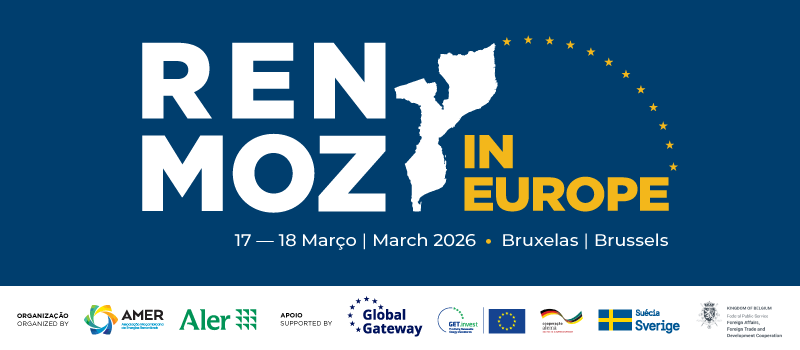
BRUSSELS – In a landmark move for Southern Africa’s energy diplomacy, Mozambique is set to unveil its first structured pipeline of renewable energy projects to European financiers and industrial giants this week. The high-level forum, RENMOZ in Europe, which convenes in Brussels on March 17 and 18, signals Maputo’s aggressive pivot toward internationalizing its green energy sector. By presenting a curated portfolio of solar, wind, and hydro-electric ventures, the Mozambican government aims to de-risk its emerging market profile and secure the capital required to transform the nation into a regional renewable powerhouse.
The delegation, led by President Daniel Chapo, arrives at a critical juncture for the Global Gateway strategy, the European Union’s multi-billion-euro infrastructure initiative. The forum is designed to bridge the gap between Mozambique’s vast natural resource potential and European technical expertise. Organized by the Mozambican Renewable Energy Association (AMER) and ALER, with support from the European Union and the governments of Sweden and Belgium, the event has attracted approximately 150 power players, including representatives from the European Investment Bank and major private sector consortia eager to tap into the continent’s energy transition.
“A robust portfolio builds confidence among investors and international partners, and this forum is a key event for Mozambique because it allows us to consistently showcase all the work already carried out in preparing information and demonstrating the quality of the projects under development,” notes Ricardo Pereira, President of AMER. Pereira emphasizes that by presenting projects with technical designs and financial structures already in place, the nation is effectively reducing the “risk perception” that often hampers large-scale African infrastructure deals.
Beyond traditional generation, the pipeline includes significant allocations for mini-grids and the modernization of electricity transmission and distribution networks. This holistic approach is intended to ensure that new power generation translates into industrial growth and expanded energy access for the Mozambican population. The presence of top institutional leaders—including the CEOs of Electricidade de Moçambique (EDM) and Cahora Bassa (HCB)—underscores the state’s commitment to providing the regulatory predictability and “on-the-ground” support that European investors demand.
The Brussels summit also serves as the official launchpad for the “Road to RENMOZ 2026,” a strategic campaign that will culminate in a massive business conference in Maputo in June 2026. This long-term engagement strategy aims to foster lasting consortia rather than one-off deals, positioning Mozambique as a stable, strategic partner within the Lusophone energy ecosystem. As the European Union looks to diversify its own energy security and meet climate targets, Mozambique’s invitation to “invest in the transition” appears both timely and economically compelling.
