
DAR ES SALAAM – In the shadow of Mount Kilimanjaro, Tanzania is accelerating toward a decisive economic crossroads as it balances a $42 billion natural gas ambition against the sobering weight of a rising national debt. A new strategic report by the African Forum and Network on Debt and Development (AFRODAD) has cast a spotlight on this high-stakes venture, warning that while the nation’s offshore reserves could trigger an industrial era of unprecedented prosperity, the spectre of the “resource curse” remains a potent threat to equitable growth.
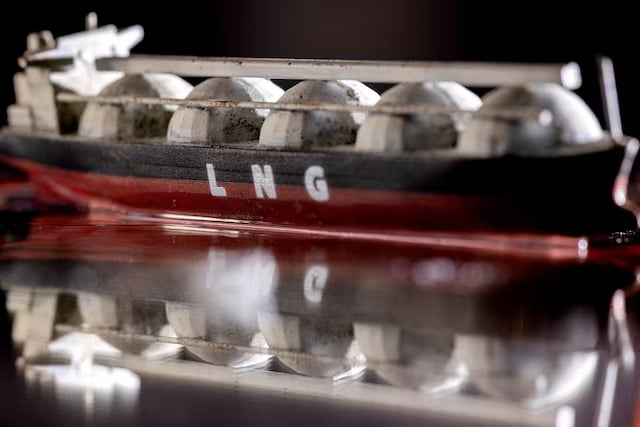
At the heart of Tanzania’s industrial roadmap is the flagship Liquified Natural Gas (LNG) project in Lindi. Following years of stalled negotiations and a shift toward “resource nationalism” under previous administrations, the government under President Samia Suluhu Hassan has moved to restore investor confidence, with a final deal expected by June 2026. This mega-project, led by a consortium including Equinor, Shell, and ExxonMobil, aims to monetize over 47 trillion cubic feet of gas—a move the Central Bank of Tanzania predicts could add two percentage points to annual GDP during its decade-long construction phase.
“Natural and mineral resources can paradoxically hinder economic growth and lead to unfavourable outcomes like corruption, conflict, and inequality,” the AFRODAD report warns, pointing to the historical “enclave nature” of Tanzania’s mining sector. In regions like Geita and Shinyanga, the gold boom of the 1990s failed to significantly dent poverty rates, while income inequality actually widened. This pattern of marginalized host communities is already visible in the southern gas-belt, where local youth have abandoned traditional agriculture for service roles in an industry that has yet to reach a final investment decision.
The financial architecture supporting this expansion is under increasing scrutiny as the national debt reached approximately $35.6 billion by early 2024. While the debt-to-GDP ratio currently sits at roughly 48%, the velocity of its accumulation—surging nearly 20% in a single year—has triggered warnings from international lenders. Strategic infrastructure, such as the $10 billion Standard Gauge Railway (SGR), is heavily reliant on resource-linked financing models that analysts suggest bear a striking resemblance to the high-risk “oil-for-infrastructure” deals seen elsewhere on the continent.
Tanzania’s geopolitical leverage has simultaneously expanded due to its vast reserves of critical minerals—graphite, nickel, and cobalt—essential for the global green transition. This has placed the country at the center of a logistical tug-of-war between East and West, with China investing in the Tazara railway corridor while the U.S. and EU back the Lobito corridor extension. However, the AFRODAD report argues that this “critical mineral rush” remains largely gender-blind, with women frequently excluded from the high-value nodes of the extractive value chain despite owning many of the smaller-scale mining licenses.
To navigate these headwinds, the government is being urged to move beyond raw material exports and foster a domestic downstream sector for mineral value addition. Policy recommendations include the unbundling of the state utility, TANESCO, to accelerate renewable energy integration and the implementation of transparent local content laws that ensure host communities share in the subterranean wealth. As the 2030 developmental milestones approach, Tanzania’s ability to convert its $42 billion gamble into a sustainable future will depend largely on its institutional integrity and the avoidance of opaque resource-backed loans.
